
 Millermarker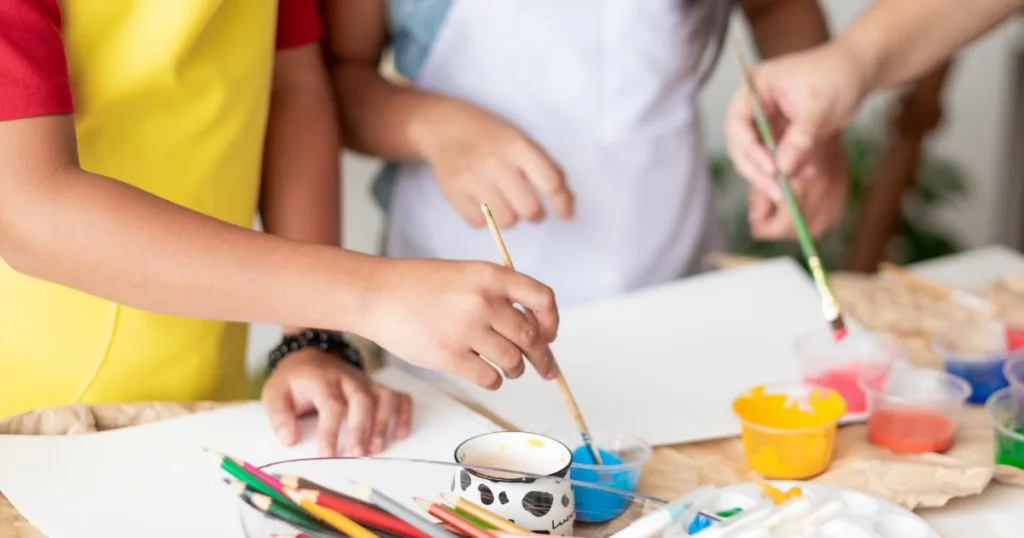
In a rapidly evolving world where technology often takes center stage, the timeless value of traditional activities like drawing cannot be overstated. Children’s drawing classes are more than just a fun pastime; they offer profound developmental benefits that extend well beyond the world of art. By introducing children to drawing at an early age, parents and educators provide them with an opportunity to explore creativity, hone essential skills, and develop a sense of self that will support them throughout their lives. These classes are not merely about creating pictures—they are about fostering growth, innovation, and emotional intelligence that can influence all aspects of a child's development.
Nurturing Creativity and Imagination
At the heart of drawing is creativity, and children’s drawing classes are a fertile ground for nurturing this essential skill. Creativity is much more than the ability to paint or sketch—it’s about thinking in new ways, approaching problems from different angles, and finding innovative solutions. In today’s world, creativity is a skill that is valued in every industry, from science and technology to business and the arts.
Drawing encourages children to imagine things beyond the ordinary. Whether they're sketching fantastical creatures or designing a world of their own, they are given the freedom to think outside the box. By learning to translate their thoughts and ideas onto paper, children are developing their creative problem-solving abilities. They begin to see that there’s no one “correct” way to solve a problem, which fosters an open-minded approach to challenges. This creative mindset will prove valuable in their academic endeavors and later in their professional lives, especially in fields that require innovation and critical thinking.
Strengthening Cognitive and Critical Thinking Skills
While drawing is often perceived as a purely artistic pursuit, it is also an excellent way to enhance a child’s cognitive development. Through drawing, children engage in complex thought processes that help develop their visual-spatial intelligence. When drawing objects or scenes, children must understand proportions, depth, shapes, and perspective. They actively engage their brains by thinking critically about how to represent three-dimensional objects in two dimensions.
This process strengthens their analytical skills as they break down the elements of a scene or image. For example, drawing a tree involves recognizing its structure, texture, and positioning relative to other objects in the environment. These skills enhance their ability to think logically and observe their surroundings in a more detailed way. Drawing also encourages children to plan and organize their ideas, improving their executive function and memory, which are key cognitive abilities that aid them in school and other areas of life.
Furthermore, as children experiment with different materials, colors, and techniques, they develop an understanding of cause and effect, refining their decision-making process. This critical thinking ability extends beyond art and becomes useful in areas like math, science, and language arts. Drawing provides an engaging way to reinforce logical thinking and build the foundation for other academic skills.
Emotional Expression and Self-Regulation
One of the most powerful aspects of drawing is its ability to serve as an outlet for emotional expression. Children often struggle to articulate complex emotions, but through drawing, they can communicate their feelings in ways that words may not fully capture. Whether they are creating joyful images or expressing frustration through abstract forms, drawing offers children a way to explore and understand their emotions in a safe and productive manner.
For example, a child who is feeling anxious or overwhelmed might channel those emotions into chaotic or dark drawings, providing them with a way to externalize feelings they may not know how to describe. Alternatively, children experiencing happiness or excitement may create bright, colorful artwork that reflects their positive emotional state. This form of non-verbal communication allows children to make sense of their emotions, process them, and gain insight into their inner worlds.
Additionally, drawing can help children develop emotional regulation skills. The focus and concentration required to complete a drawing can have a calming effect, helping children to manage stress and develop resilience. Children who are able to express their emotions through art learn how to recognize, regulate, and cope with difficult feelings, which is essential for emotional well-being throughout their lives.
Promoting Fine Motor Skills and Coordination
Drawing is an excellent exercise for developing fine motor skills, which are vital for performing everyday tasks like writing, eating, and dressing. When children draw, they practice hand-eye coordination, dexterity, and control over small muscle groups. Holding a pencil, drawing intricate lines, and filling in spaces with color require the precision and control that children need for more complex tasks in the future.
By refining these fine motor skills, children also improve their handwriting, which is an essential academic skill. They gain better control over their hand movements, allowing them to write neatly and complete tasks that require precision. As children develop stronger motor skills through drawing, they also learn how to balance creativity with discipline, which can benefit them in other areas of learning.
In addition to fine motor skills, drawing helps children build bilateral coordination—using both hands in tandem to manipulate tools and objects. This enhances brain development and helps children integrate the left and right hemispheres of the brain, which is linked to improved cognitive and motor function.
Fostering Social Skills and Collaboration
Though 創意學堂 is often an individual activity, many children’s drawing classes involve group projects or collaborative elements that help children develop important social skills. Working on group art projects allows children to practice teamwork, share resources, and communicate ideas. They learn how to negotiate, share responsibilities, and respect others' creative contributions.
These collaborative experiences build empathy, cooperation, and communication skills, which are critical for success both in school and in the workplace. In group settings, children learn to give and receive constructive feedback, accept criticism, and find common ground with their peers. These interpersonal skills will benefit children not only in their academic careers but also in their personal and professional lives as they learn to work effectively with others.
Additionally, sharing their artwork with peers or family members boosts children’s self-esteem and allows them to develop public speaking skills. The act of presenting their work and receiving positive feedback helps children gain confidence and pride in their creative achievements.
Building Confidence and Self-Esteem
One of the most valuable outcomes of children’s drawing classes is the boost to their self-confidence. Completing a drawing gives children a tangible sense of accomplishment, especially when they see their work improve over time. As children develop their artistic skills and receive encouragement from teachers, parents, and peers, they learn to take pride in their work.
Drawing allows children to explore their unique creative abilities and express themselves freely, helping them develop a strong sense of identity. The positive reinforcement they receive from others strengthens their self-worth and encourages them to continue creating. Over time, this growing sense of self-assurance extends beyond art and positively impacts their performance in other areas of life, including academics and social interactions.
Moreover, drawing teaches children that perfection is not the ultimate goal—expressing themselves and enjoying the creative process are what matter most. This mindset of embracing effort over perfection helps children build resilience and a growth mindset, allowing them to approach challenges with confidence and a willingness to improve.
Conclusion: Drawing as a Gateway to Holistic Development
Children’s drawing classes offer far more than the ability to create artwork—they are an essential component of a child’s holistic development. Through drawing, children engage their creativity, enhance cognitive abilities, process emotions, develop fine motor skills, and strengthen social connections. These skills contribute to the child’s academic, emotional, and social well-being, setting the foundation for a well-rounded and successful future.
As the world continues to prioritize skills such as innovation, emotional intelligence, and critical thinking, the lessons learned in children’s drawing classes remain more relevant than ever. By encouraging children to draw, we are not just helping them become better artists—we are equipping them with the tools they need to become thoughtful, innovative, and empathetic individuals who can navigate an ever-changing world with confidence and creativity.
